
Daily Monitor page 14 of Monday July 28, 2025, screamed lauder than any other page in the paper. “The growing betting economy: From Shs 500bn to Shs 8 trillion,” it read.
These are staggering numbers. In another industry, such growth would be worth popping champagne. Instead, it points to a crisis that is problem gambling in Uganda. It should alarm all of us.
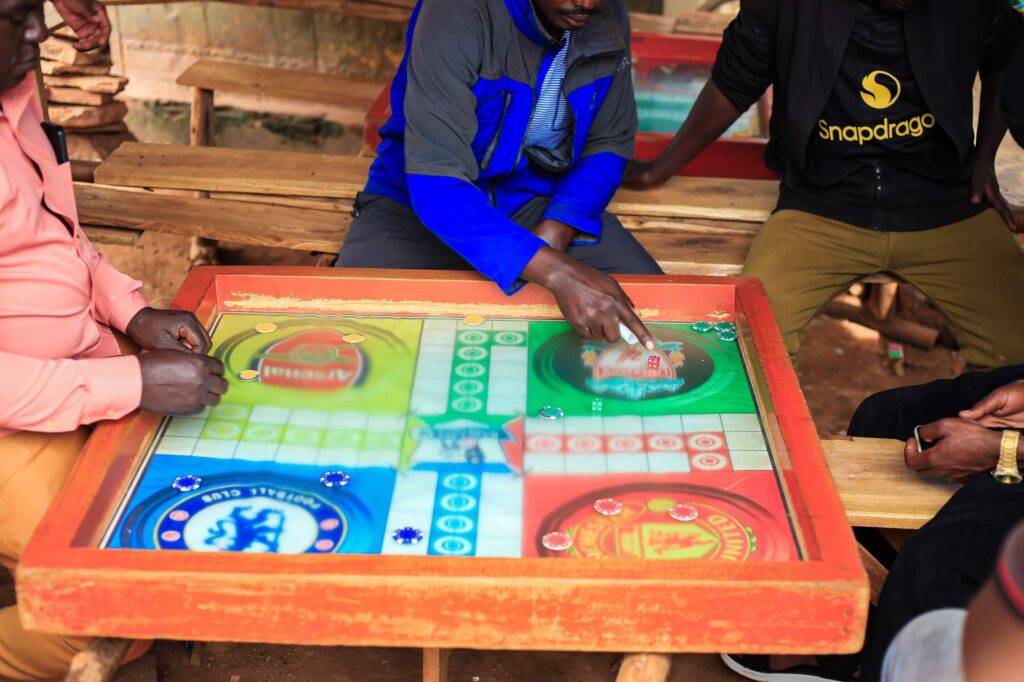
It is a crisis that is very visible on our way to work, to school, to church, and to the market. It is visible in our social media feeds, and in schools. Look around your community and you will notice that the biggest building in your trading centre is neither occupied by a supermarket nor by a mini-manufacturing firm. A betting firm occupies it.
Gambling houses sell false hope, a sense of optimism that you will gain when you try again. One gambling programmer told a BBC Africa Eye documentary, Gamblers Like Me, that you can only make money in gambling if you are the owner and to a small extent an employee of the firm. Gambling platforms are designed in such a way that you win just enough to either keep you coming back or raise your appetite to stake more.
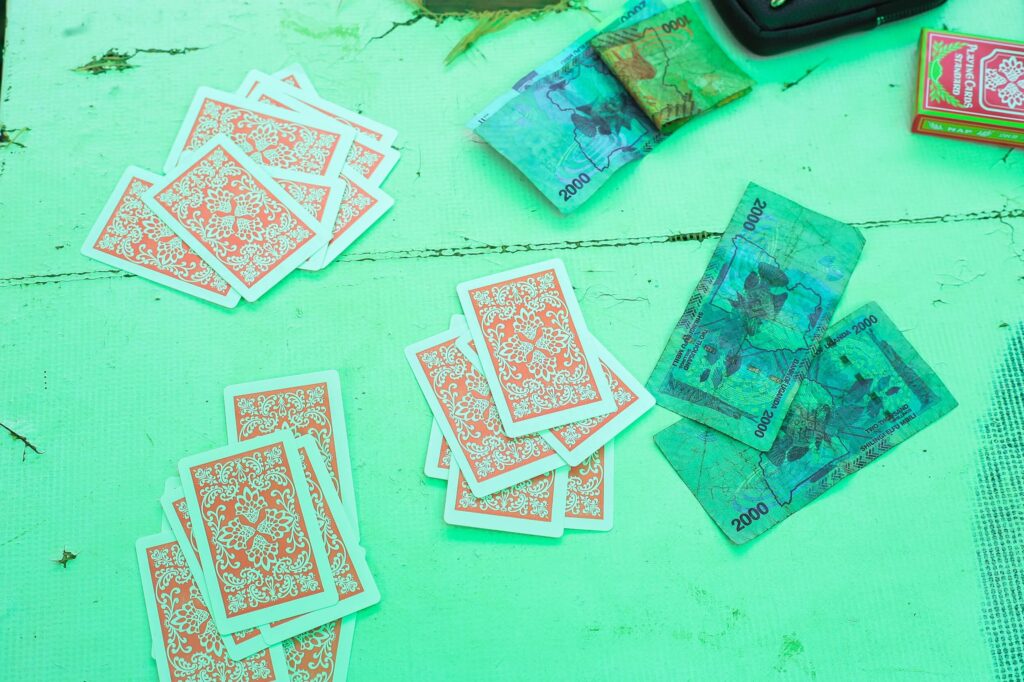
Gambling houses are strategically located in needy communities or vulnerable populations such as schools and low-income neighbourhoods. Take a quick scan around Kampala, you will find many situated in Katwe, Makindye, Wandegeya, Kalerwe, among others. One or two casinos will be situated in Kololo or Nakasero. A study by the Economic Policy Research Centre (EPRC) found that, on average, the poorest in society spend a higher proportion of their personal income on gambling compared to their richer counterparts. The vice has the greatest displacement effect on household necessities and savings. Someone would rather buy a betting ticket than spend on food, save, or buy soap. The study, which looked at the extent of gambling in Kampala, also found that three quarters (73%) of gamblers did so to make money, and not for leisure which should have been ideal.