Photo essay: Gambling problem in Uganda

Gambling activities in Uganda are widespread – with most gaming owners targeting low-income neighbourhoods in urban and peri-urban areas.

While gambling is supposed to be a leisure activity, research shows that in Uganda nearly three quarters (73%) of those betting do so to earn money or as an economic activity to improve their lives. Another study reported that as many as 80% of Ugandan punters do it for money while a paltry 15% do it for leisure.

Yet, many people end up losing, fall into cycle of debt, suffer mental breakdown while others fall into hands of extortionists as they resort to illegal betting activities. In this photo essay, we highlight gambling activities in the country.
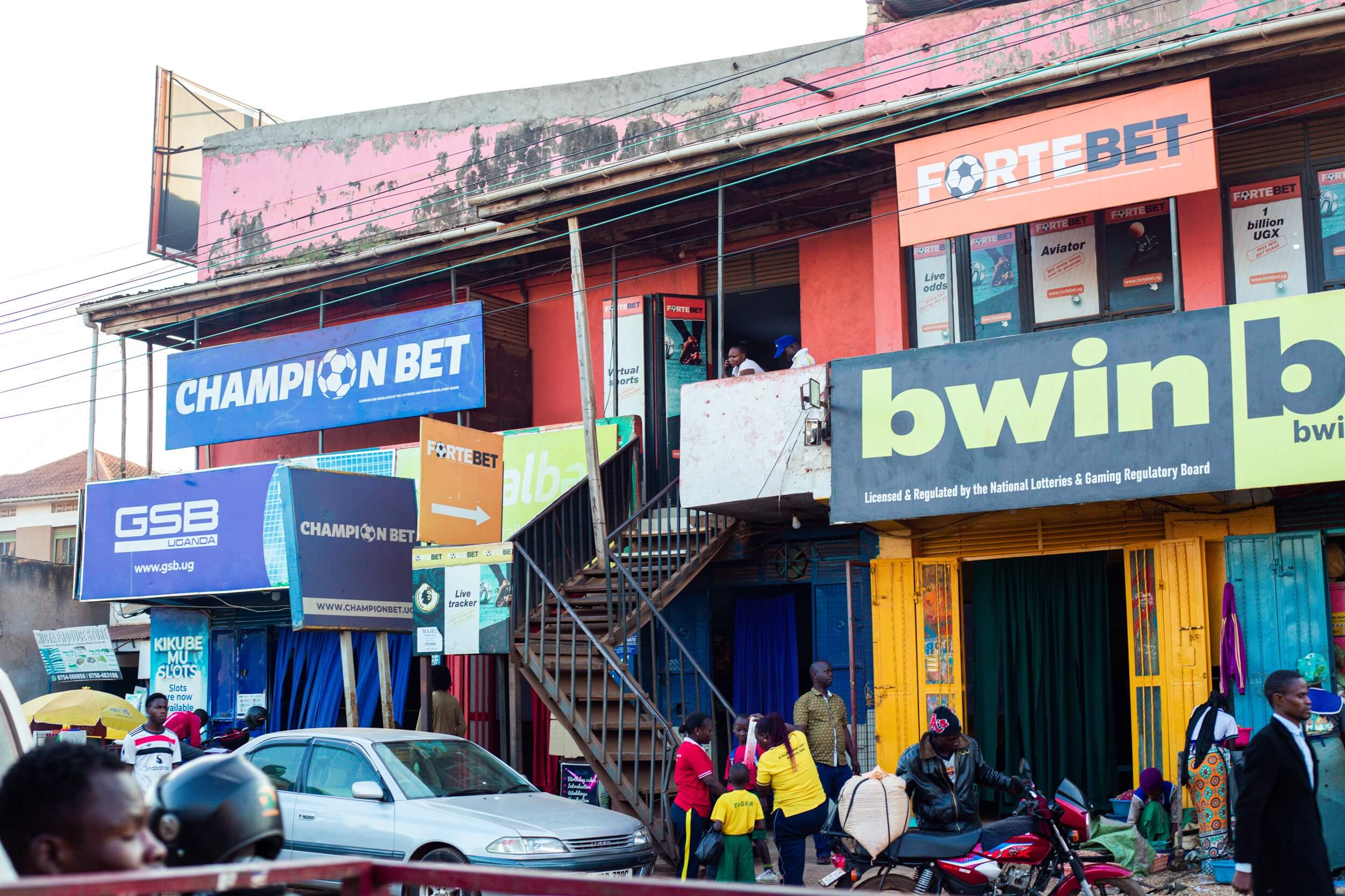
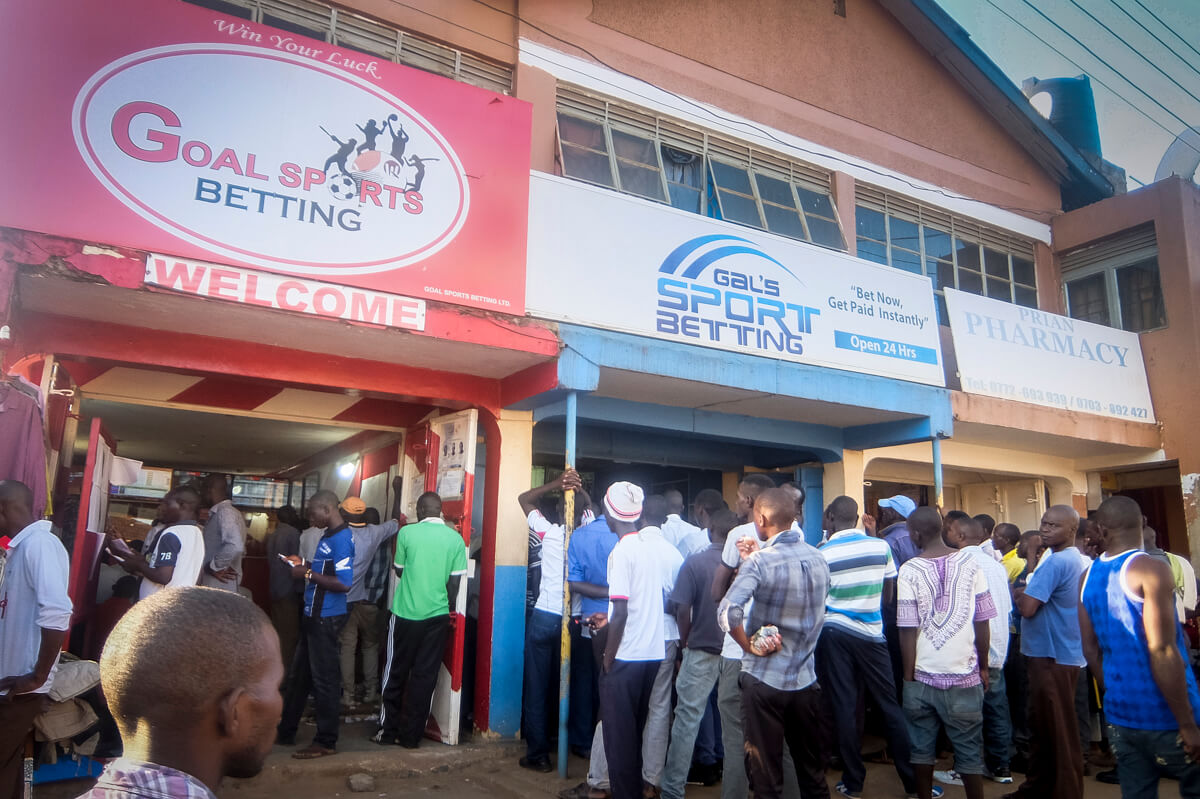
A building sandwiched by signposts of betting companies in Kasubi, a low-income suburb of Kampala. Many betting shops are intentionally situated in crowded spaces such as near markets, transport stages, and schools to attract the youth into participating in gaming activities
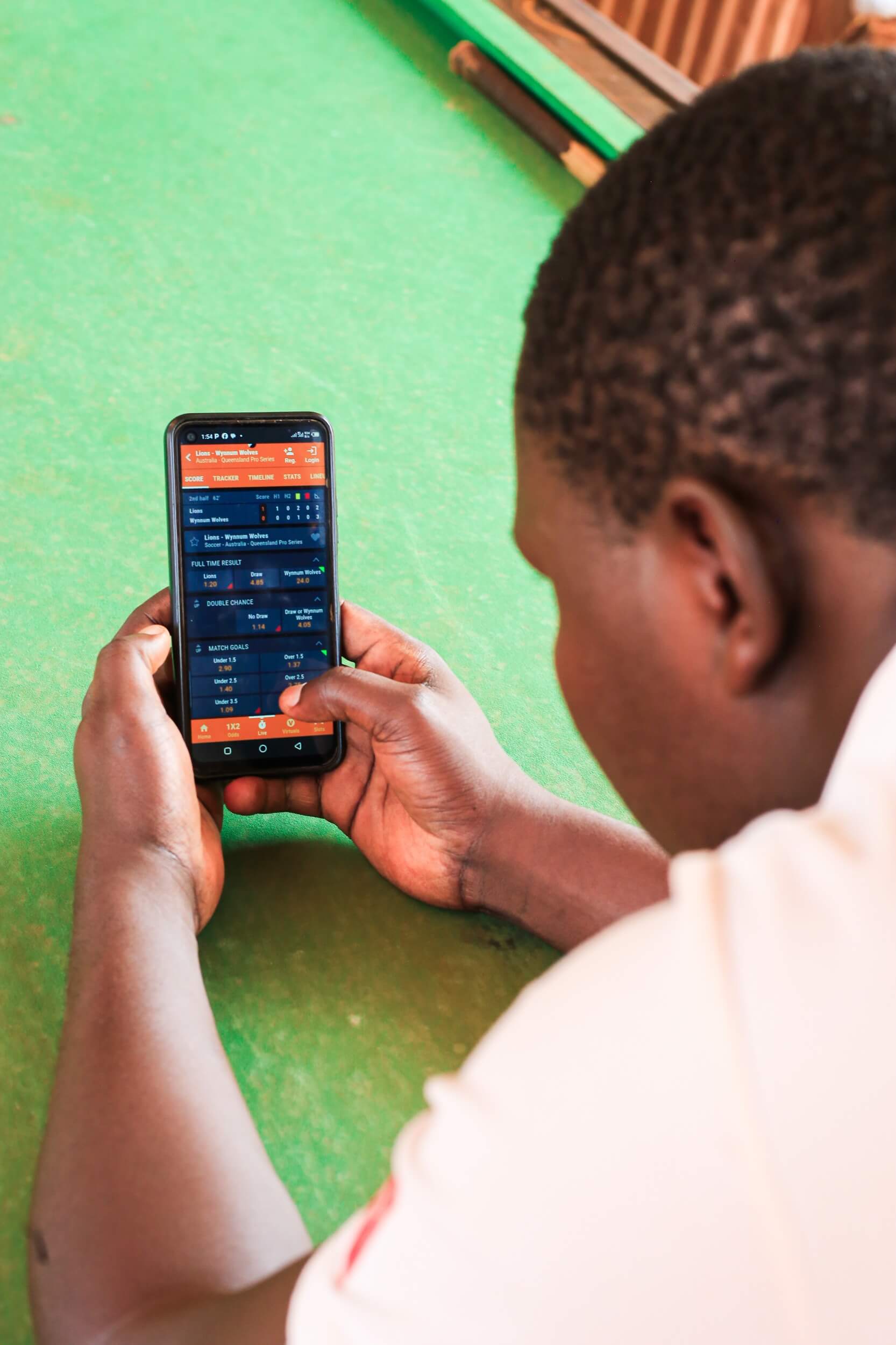
A young man gambling on his phone. Online gambling platforms provide easy access at any time. This exacerbated the gambling crisis where young men spend countless hours on their phones and computers trying to look for winning deals.
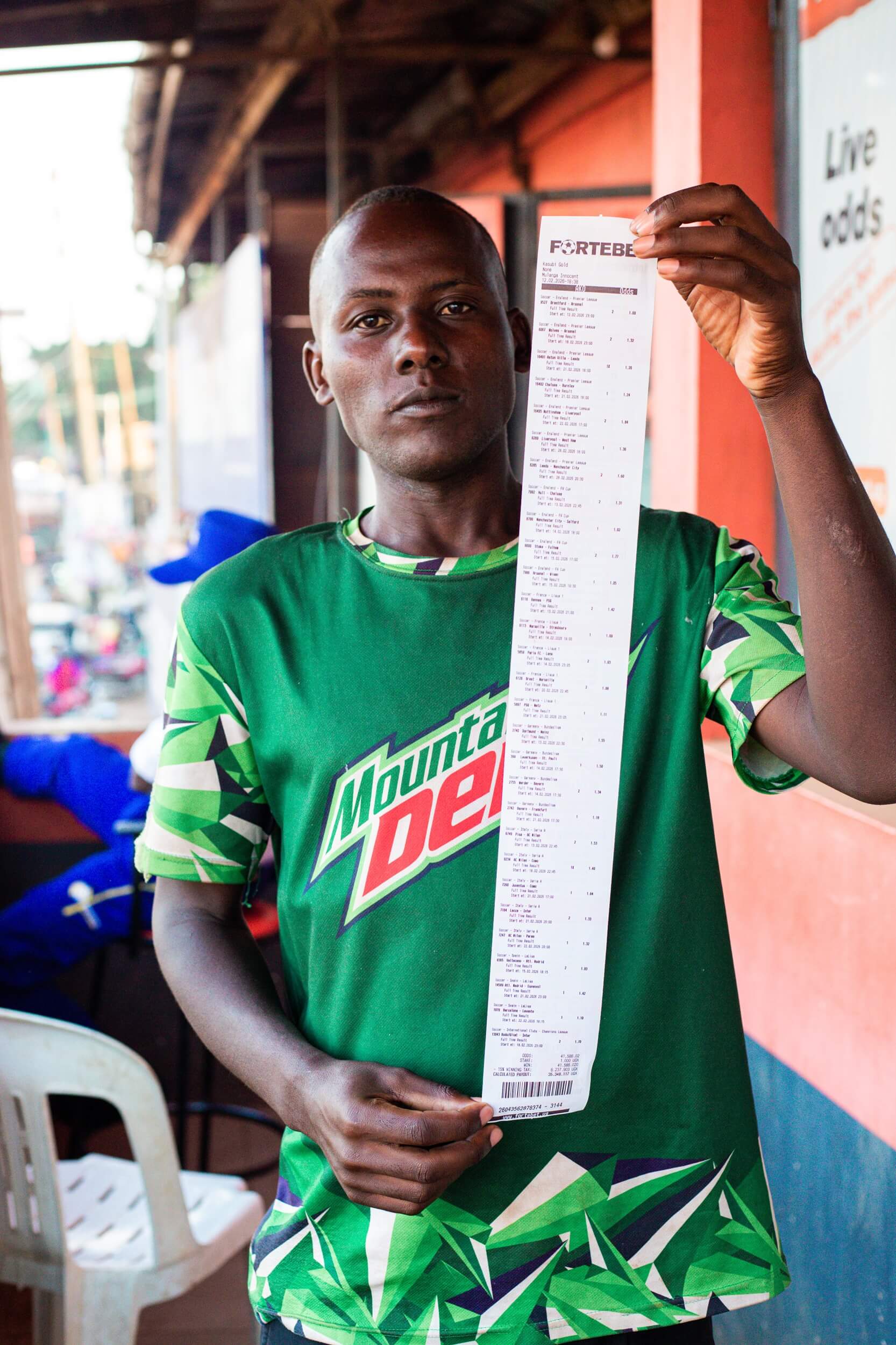
It is about hope: A young man in Kampala shows off his receipt of placed bets. Many keep hoping that their receipt wins and changes their life. It is usually the opposite.
Besides the regulated betting activities, illegal betting is widespread in the country. This increases the harm that those who engage in it suffer as it lacks guarantees for payment, and fights leading to injury or death.
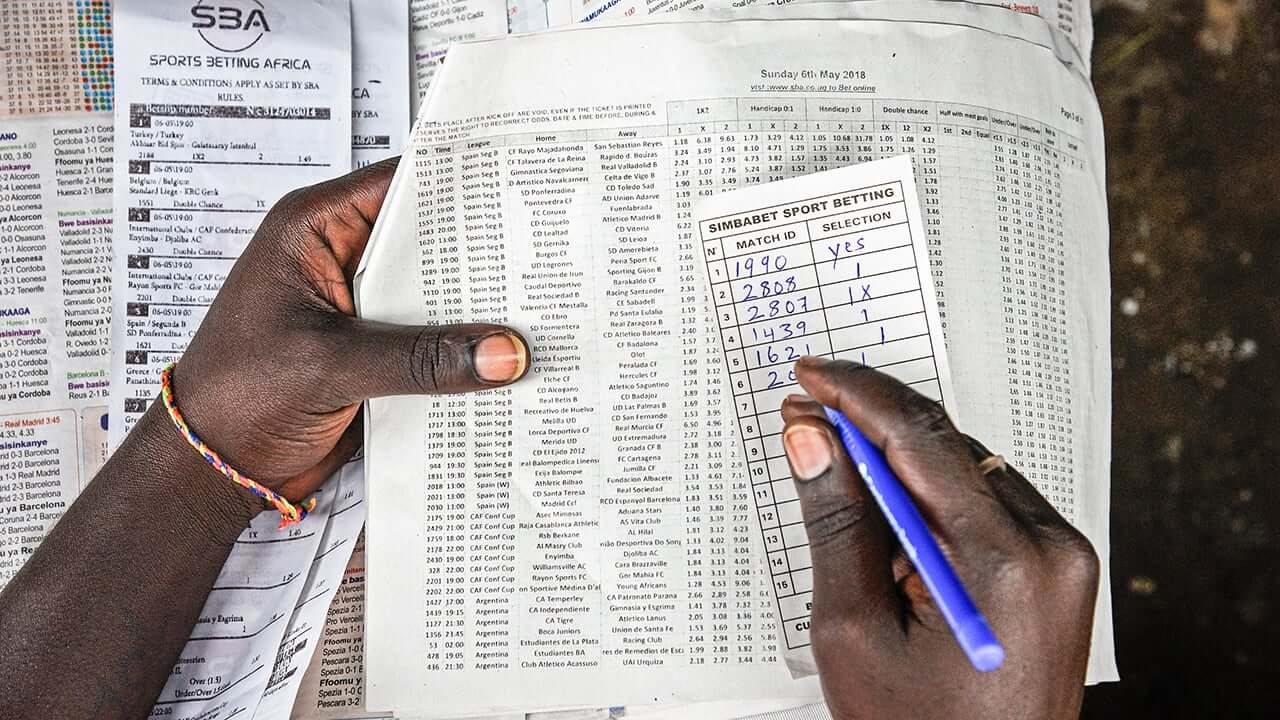
The proliferation of online gambling has meant that there is limited control on where one gambles from. Many offshore gambling websites advertise towards Ugandan consumers, giving a false sense of comfort. These offshore sports books lack consumer protection and hardly care about age or responsible gambling.
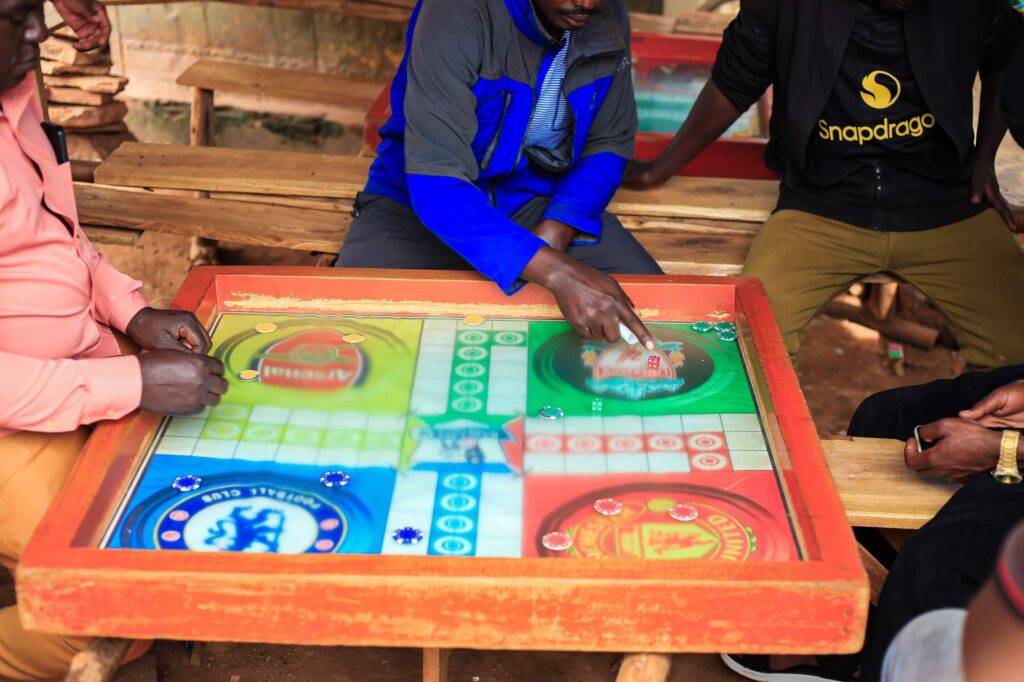

The extent informal gambling in Uganda

Whereas Uganda tries to regulate the gambling sector through the Gambling Act, 2018, a widespread of gambling activities still take place underground. They are unregistered and have no licence from the regulatory body.

These are usually hidden from public view, and takes place in shops, homesteads, bus ranks, small bars, shebeens, culverts, bushes, restaurants.

According to the National Lotteries and Gaming Regulatory Board says major illegal betting forms include card games for money, dice games for money unless on licensed premises, internet or online gambling

The harm from illegal/informal betting activities

Engagement in informal betting activities comes with innumerable challenges such as becoming vulnerable to violence, extortion, and fraud. Others include no payout guarantees, fake games with rigged algorithms to ensure that players lose and owners win; identity theft as no data protection guarantees; and risk of arrests as participating in illegal betting is a criminal offence.

Illegal betting leads to social and health dangers

Besides, there are health and social dangers that come with engagement in betting, and these dangers are amplified as illegal gambling takes hold

They are:

  1. Uncontrolled Addiction where illegal sites rarely offer responsible gambling tools like deposit limits or self-exclusion, making it easier for users to fall into severe Gambling Disorder.
  2. The stress of hidden debt often leads to anxiety, depression, and, in severe cases, suicidal thoughts.
  3. Family Destruction where informal betting often leads to lying, theft from loved ones, and domestic violence.
  4. Vicious Debt Cycles as the dopamine forces users to turn to predatory “loan sharks” or informal borrowing to cover losses.

On the society,

It can disrupt cohesion through funding of organised crime and criminal activities such as trafficking and human smuggling; it can facilitate money laundering and corruption in sports. On the other hand, it can be an avenue to avoid taxes, impacting government revenues for activities such as healthcare and education.

Key information: Gambling harms those close to us

  • People with gambling disorders were 15 times more likely to die by suicide than the general population
  • Impact on others: For every person who gambles at high-risk levels, an average of six others (usually non-gamblers) are affected.
  • Gambling may also divert normal consumption expenditure from other businesses.